
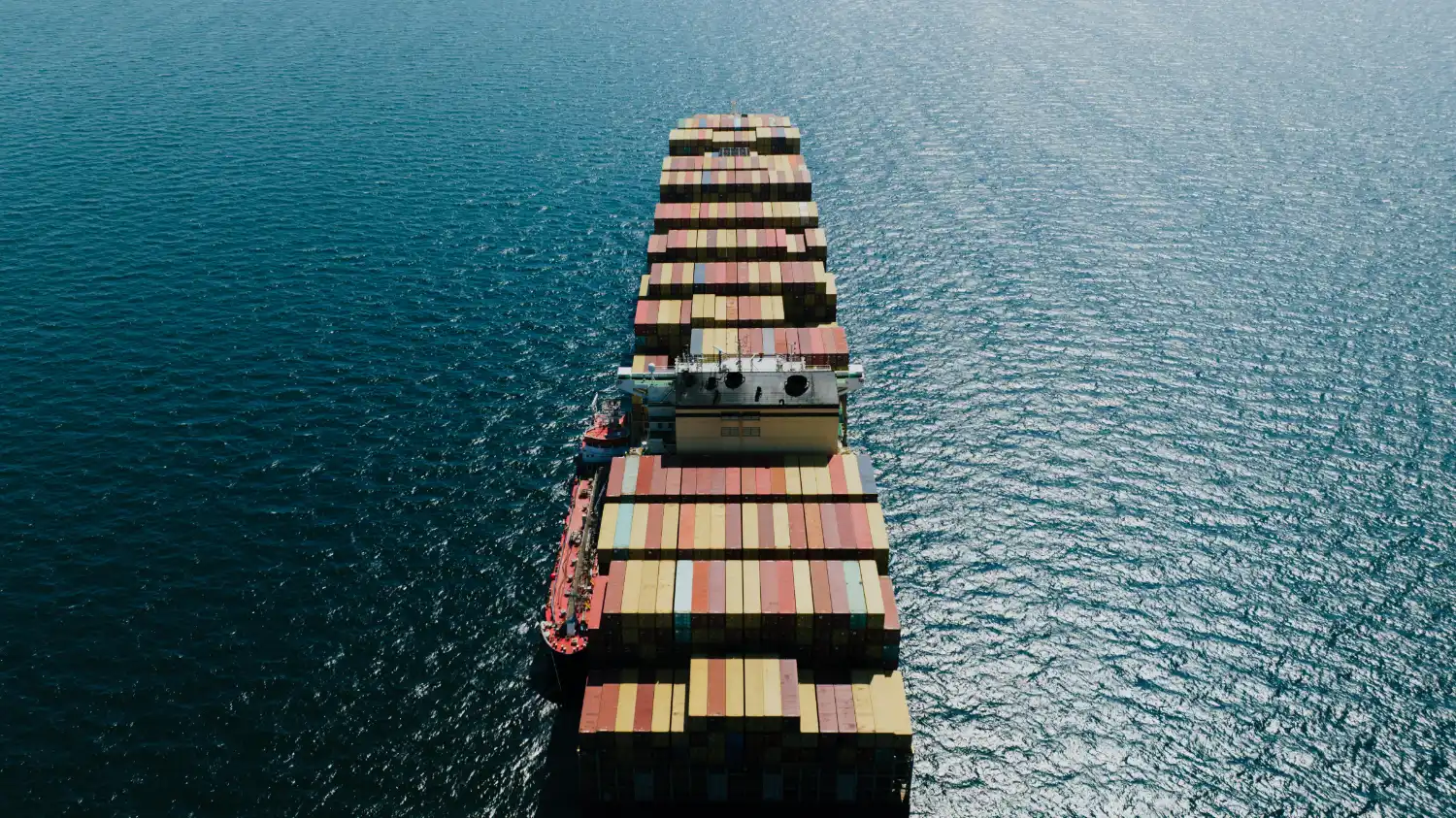
T he Documentation in coffee imports is one of the most critical aspects of the entire logistics process. Beyond transport or purchasing at source, it is the correct handling of documentation that determines whether a shipment proceeds smoothly or gets held up at customs.
For those unfamiliar with international trade, it may seem like just another administrative formality. However, when importing green coffee, any documentary error can lead to delays, additional costs or even the loss of the consignment.
In this article, we outline which documents are required, key points in the process and what our role is in green coffee imports.
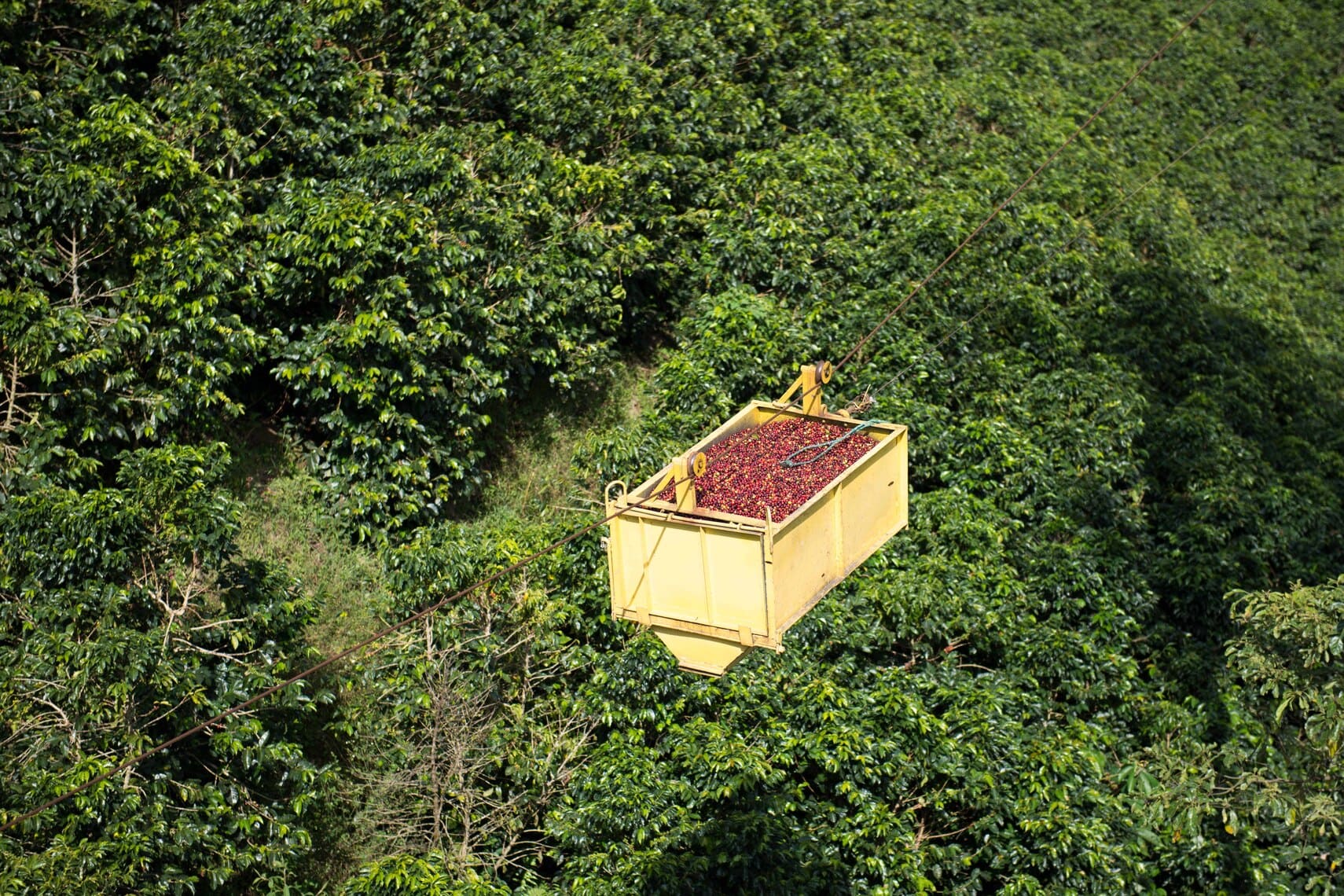
Key documentation
When importing coffee, there are several essential documents that must accompany each shipment. Each one serves a specific purpose within the customs process.
The main ones are:
- Official import declaration H1 (formerly SAD)
- Certificate of origin, identifying the country and producers
- Commercial invoice and packing list
- Bill of Lading, required to collect the container
- Health or phytosanitary declaration
- Transport insurance or waiver thereof
- Plastics declaration
Although all are important, what is truly critical is consistency across all documents.
Details such as the number of sacks, total weight, batch identification, estate or variety must match exactly across all documentation. A discrepancy can lead to additional inspections or delays at customs.
Therefore, the correct preparation of documentation is not only a legal requirement, but also a tool to ensure the smooth running of the process.
What is the TARIC?
The TARIC code plays an important role in the documentation required for coffee imports. It is a goods classification system used in the European Union.
This code specifies:
- The applicable tariffs
- Specific import requirements
- Mandatory checks
In the case of coffee, there are different numbers to indicate whether it contains caffeine (0901.11) or is decaffeinated (0901.12).
Consequences of incorrect classification:
- Financial penalties
- Delays at port
- Rejection of the shipment
For this reason, the TARIC should not be regarded as a mere code, but as the first identifier in the documentation.
Port controls
Once the coffee import documentation has been submitted, the shipment undergoes inspections at the port of entry.
The purpose of these inspections is to verify that the declared information matches the actual goods and that the coffee complies with health and traceability requirements.
Inspections typically focus on:
- Phytosanitary conditions
- Absence of pests or moisture
- Verification of origin
When the documentation is correct and consistent, these checks are usually quick. However, any error can lead to more thorough inspections. This results in longer waiting times, increased storage costs and the risk of the coffee deteriorating. Therefore, the documentation not only affects the legality of the process, but also the final quality of the product.
Import Risks
One of the most important aspects to bear in mind is that, when importing green coffee, the responsibility lies with the importer.
This means that any error in the documentation entails:
- Direct legal liability
- Potential financial losses
- The risk of the consignment being rejected
- Unforeseen costs
Importing coffee is not merely a logistical matter. It is a process in which documentation plays a central role and where errors can affect both the product and the brand, complicating the process and even exposing the business to unnecessary risks.
Regulatory changes to the import of green coffee: EUDR
From December 2026, under the new EUDR regulations, it will be necessary to provide additional documentation to ensure that coffee cultivation has caused negligible damage in terms of deforestation.
This submission will be made via the TRACES platform, where a series of documents provided by the supplier must be registered, including certifications regarding the geolocation of the farms from which the coffee is sourced, regulated species, compliance with legislation in the country of origin, etc., following a system known as the Due Diligence System (DDS). This system will generate a code (the Due Diligence Declaration reference number) which must be submitted alongside the rest of the import documentation in the customs declaration. This number must be retained by the roaster to ensure the traceability of the beans for a period of up to five years.
The aim of the EUDR is to improve the sustainability of the coffee industry, with implementation made as straightforward as possible, but there are limitations that cannot be overlooked. Our role as importers is to work with origin countries to facilitate their adaptation through technical assistance and the implementation of digital tools, ensuring that the supply chain remains active.
What is our role?
Given the complexity of the documentation involved in importing coffee, having a specialist team is key to ensuring that the entire process is carried out correctly.
Our role is to ensure that every consignment meets all requirements from origin to destination, from documentation to quality standards, by carrying out a range of physical and sensory checks, with the aim of ensuring that our product meets our standards.
When it comes to logistics, we handle:
- Reviewing and validating all documentation
- Coordinating with customs agents
- Supervising port inspections
- Ensuring the clearance and release of the coffee
The aim is for the coffee to arrive without incident, maintaining its quality and complying with all current regulations.
In an environment that is increasingly demanding in terms of traceability and control, proper document management becomes a competitive advantage.
Ultimately, understanding the documentation involved in coffee imports not only helps to avoid problems, but also builds a more secure, efficient and professional supply chain.