
Coffea canephora: a guide to understanding one of the most important species of the genus Coffea
2026
Intellectual property
XORXIOS®
When we talk about the differences between Arabica and Robusta coffee, we usually think of flavour, caffeine content or quality. However, there is a much lesser-known aspect that completely changes that conversation: unlike Arabica, Robusta is not a species of coffee.
From a botanical point of view, the species is Coffea canephora. The term ‘robusta’, widely used by both the industry and consumers, refers to one of the main genetic groups within this species, just like ‘conilon’. Over time, commercial language has simplified a much more complex reality to the point where ‘robusta’ has become the name by which the entire species is now commonly known.
This oversimplification has not only led to terminological confusion, but has also shaped the perception of Coffea canephora over the decades. Whilst the speciality coffee market was cementing the idea that Arabica represented the pinnacle of quality, Canephora remained associated almost exclusively with instant coffee, commercial blends and a production model focused on yield, hardiness and volume. As a result, the species’ reputation came to be defined more by the uses to which it was put than by its own characteristics.
However, that perception is beginning to change. In recent years, scientific research, breeding programmes and the sector’s growing interest in coffee diversity are driving a new way of understanding Coffea canephora. We now know that this is a species with extraordinary genetic richness, a high capacity for adaptation and sensory potential that for a long time was barely explored. Against a backdrop of climate change, the search for more resilient farming systems and the evolution of speciality coffee, understanding the true role of this species is more relevant than ever.
XORXIOS®’s aim with this guide is to provide a detailed, well-researched and accessible overview that helps readers understand what Coffea canephora really is, how its history has unfolded, and why knowledge of it is now essential to understanding the evolution of speciality coffee.
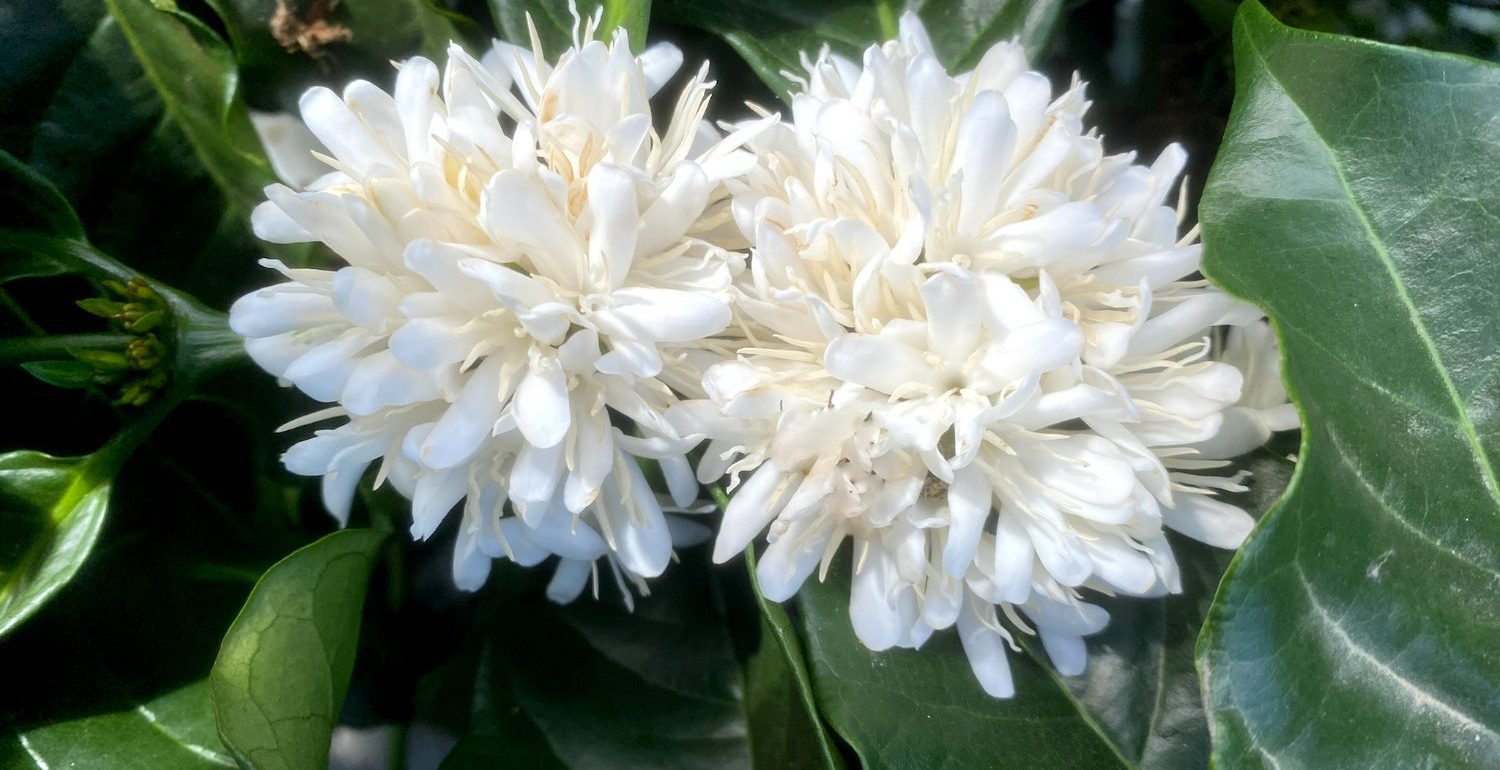
Contents of the guide
Robusta isn’t a species: the root of a confusion that still persists
In biology, a species is one of the fundamental units used to classify living beings. It groups together organisms that share a common evolutionary origin and a set of genetic characteristics that distinguish them from other species.
In the case of coffee, this distinction is particularly important because many of the differences relating to cultivation, physiology, disease resistance or sensory profile origins precisely from the species to which each plant belongs. Understanding this concept allows for a more accurate interpretation of the diversity within the Coffea genus and helps to avoid some of the most common terminological confusion within the sector itself.
Within Coffea canephora – the species – there are different genetic groups, with Robusta and Conilon being the best known and most widely cultivated from an agronomic and commercial perspective. Although in the sector’s everyday language both are usually referred to as varieties, from a scientific perspective this classification is oversimplified and does not reflect the full genetic complexity of the species.
For this reason, throughout this guide we will primarily use the term ‘genetic group’ to refer to ‘robusta’ and ‘conilón’. However, when we use the term ‘variety’, we will do so in line with widespread usage within the sector, endeavouring to maintain the utmost scientific rigour whilst remaining faithful to the language with which most professionals identify these plant materials.
Understanding this distinction from the very beginning is not merely a matter of terminology. It enables a clearer interpretation of concepts such as genetic diversity, breeding programmes, sensory quality and adaptation to climate change, which form the central theme of this guide.
The history of Coffea canephora: from the tropical rainforest to global coffee cultivation
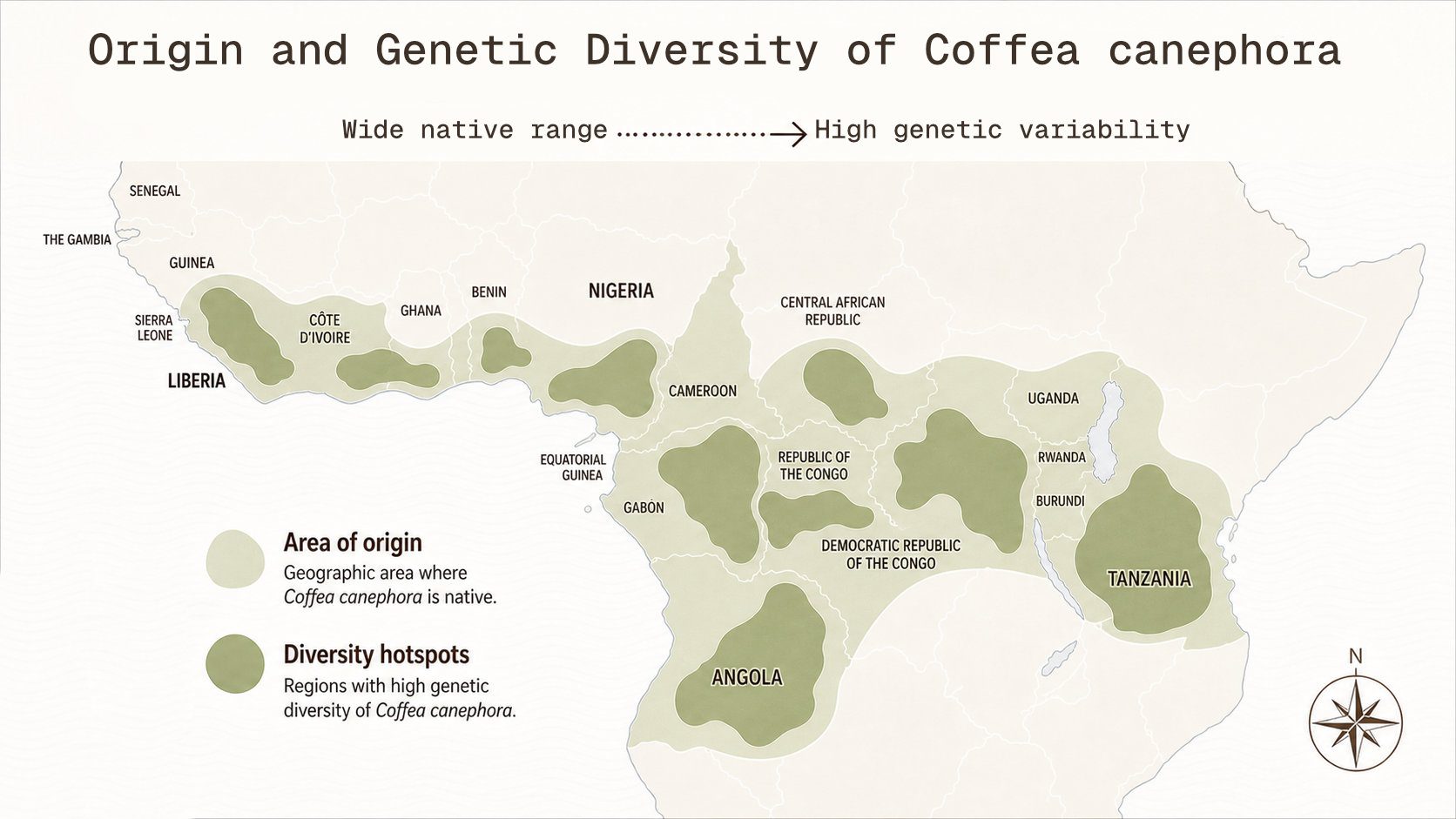
Long before it became the subject of research, the focus of genetic improvement programmes or the object of interest in the speciality coffee sector, Coffea canephora was part of the natural ecosystems of the tropical rainforests of Central and West Africa. There, growing wild beneath the canopy of warm, humid forests, it evolved over thousands of years to become one of the species with the greatest genetic diversity within the Coffea genus.
For centuries, local communities lived alongside these wild plants, but it was not until the late 19th century, against the backdrop of European botanical expeditions through tropical Africa, that science began to systematically document its existence. At a time when coffee was already a strategic crop for many colonial economies, the discovery of a species capable of thriving in conditions different from those of Coffea arabica sparked great interest among botanists and agronomists.
The species was described by the French botanist Jean Baptiste Louis Pierre and subsequently formally named Coffea canephora by Adolf Engler and Karl August Froehner. From that moment on a new phase began, marked by its gradual incorporation into farming systems.
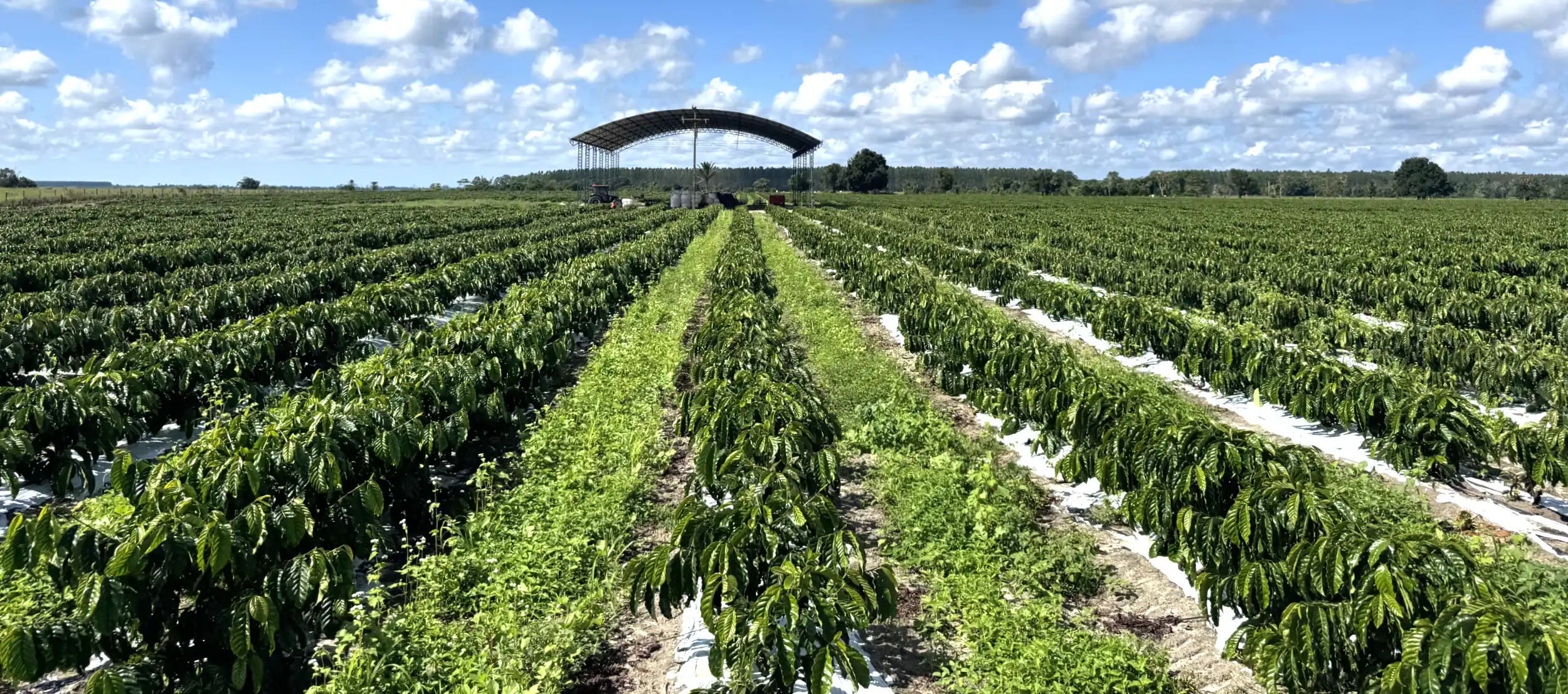
From a wild species to a strategic crop
At the beginning of the 20th century, the spread of diseases such as coffee rust, the need to increase global coffee production, and the desire to cultivate coffee in warmer, lower-altitude areas drove the expansion of Coffea canephora. Compared with Coffea arabica, which is more demanding from an agronomic point of view, this species offered a particularly valuable combination of productivity, adaptability and resistance.
As a result, Coffea canephora came to be associated primarily with instant coffee, commercial blends and an intensive production model. However, this image reflected the objectives for which it was cultivated far more than the biological potential of the species itself.
This interpretation is consistent with the overview provided by the most recent scientific literature. Various studies on the evolution of plant breeding programmes indicate that, for much of the 20th century, the main objectives were to increase productivity, resistance to pests and diseases, and adaptation to different growing environments, whilst sensory quality played a clearly secondary role.
A key concept for understanding the present
The historical reputation of Coffea canephora does not reflect its potential as a species, but rather the agronomic, economic and industrial priorities that shaped its development throughout much of the 20th century.
Understanding this context is essential for interpreting many of the current debates surrounding Coffea canephora. Before analysing its potential for producing high-quality coffees, it is worth understanding what constitutes one of its greatest assets from a scientific point of view: its extraordinary — or, more precisely, its high — genetic diversity.
The genetic diversity of Coffea canephora: the key to its present and future
Reducing Coffea canephora to the term ‘robusta’ has also contributed to oversimplifying a much more complex biological reality. For decades, the genetic diversity of the species was overshadowed by a cultivation model focused primarily on productivity and resistance. However, it is precisely this diversity that now places Coffea canephora at the centre of some of the most significant research and breeding programmes for the future of coffee cultivation.
A species with a high level of genetic diversity
One of the defining characteristics of Coffea canephora is its wide genetic diversity. Unlike other cultivated species with a more limited genetic base, Coffea canephora has retained a high degree of variability as a result of its evolution across a vast area of Central and West Africa and its unique reproductive system.
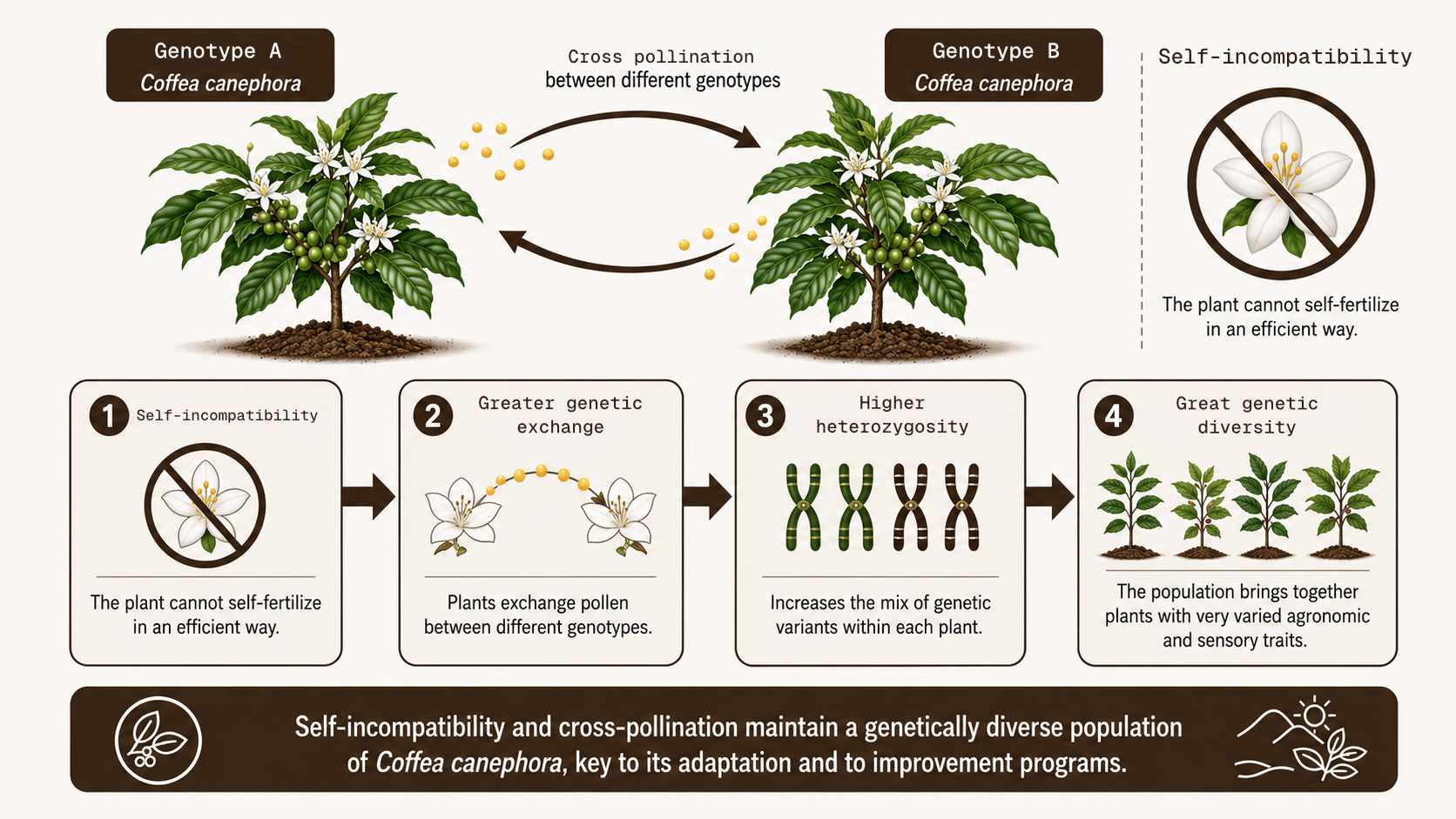
Most Coffea canephora plants are self-incompatible, a biological mechanism that prevents a plant from fertilising its own flowers. Consequently, it needs to exchange pollen with another genetically compatible plant in order to produce fruit. This cross-fertilisation — known as allogamy — promotes a constant exchange of genetic material between generations and largely explains the diversity that characterises the species.
Self-incompatibility -> Increased genetic exchange -> Increased heterozygosity -> High genetic diversity
This variability can be observed in aspects as diverse as plant vigour, adaptation to different climatic conditions, disease resistance, productivity and the chemical composition of the beans. Far from being a homogeneous species, Coffea canephora comprises a wide range of populations and genetic materials that have evolved in very different environments
How does it differ genetically from Coffea arabica?
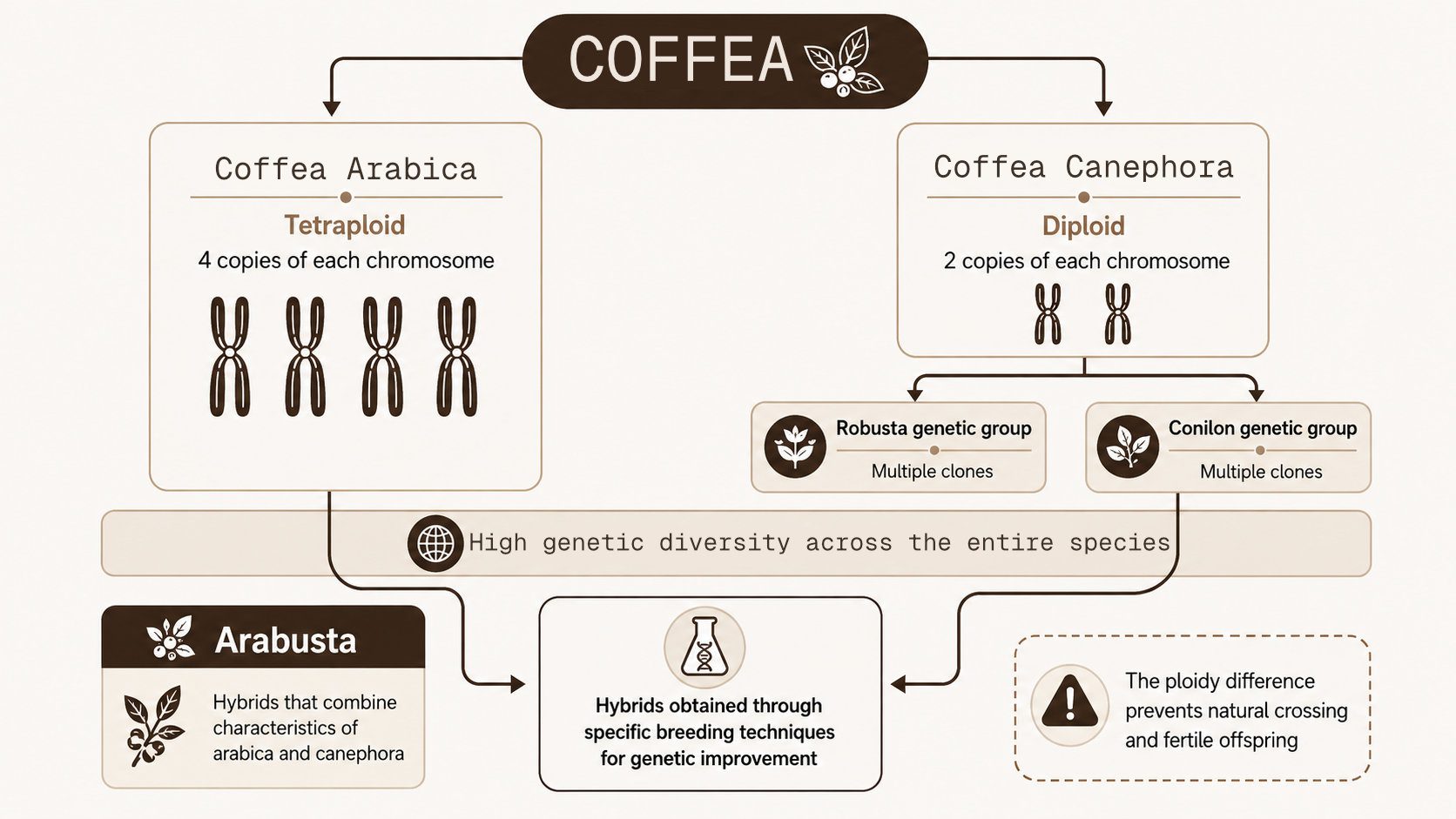
Most species of the genus Coffea are diploid, that is to say, they have two copies of each of their eleven chromosomes. Coffea canephora belongs to this group.
Coffea arabica, however, is an exception. It is a tetraploid species, the result of natural hybridisation that occurred thousands of years ago, and possesses four copies of each chromosome. This genetic difference explains why the two species virtually never interbreed naturally to produce fertile offspring, with a few exceptions such as the Timor hybrid.
In plant breeding programmes, it is possible to produce hybrids between the two species using specific techniques that temporarily alter the chromosome set of Coffea canephora, thereby enabling cross-pollination with Coffea arabica. These hybrids, generally known as ‘arabusta’, represent a line of research with specific agronomic applications, although their development is beyond the scope of this guide.
Genetic diversity in crops
The high genetic diversity of Coffea canephora represents a major advantage for the improvement of the species, but it also poses challenges for cultivation.
As they rely on cross-pollination, plants grown from seed exhibit natural variability that can result in differences in growth, productivity, ripening or quality between individuals within the same plot. To reduce this variability, many breeding programmes use vegetative propagation via cuttings or cloning, a technique that allows the multiplication of plants that are genetically identical to a specimen previously selected for its agronomic characteristics.
Clonal propagation not only allows previously selected materials to be faithfully reproduced; it is also one of the fundamental tools of modern plant breeding programmes, as it facilitates the evaluation, conservation and multiplication of genotypes with agronomic and sensory characteristics of interest.
However, even in clonal plantations, it remains necessary to grow different compatible clones to ensure pollination and fruit production. In other words, cloning brings uniformity to the crop, but does not eliminate the need to maintain genetic diversity within the plantation.
Why is this diversity important?
Understanding the genetics of Coffea canephora helps to explain why the species now occupies a strategic position in some international plant research and breeding programmes.
The wide range of genetic variability available facilitates the selection of materials with greater disease resistance, better adaptation to different climatic conditions, increased productivity and new possibilities from a sensory perspective. Just as not all Arabica coffees offer the same quality in the cup, there is no such thing as a single Coffea canephora profile. Its diversity opens the door to selecting materials with agronomic and sensory characteristics that differ greatly from one another.
For this reason, genetics is not merely a botanical issue; it is the foundation upon which the conservation of the species, breeding programmes, adaptation to climate change and much of the potential that Coffea canephora can bring to coffee cultivation in the coming decades are based.
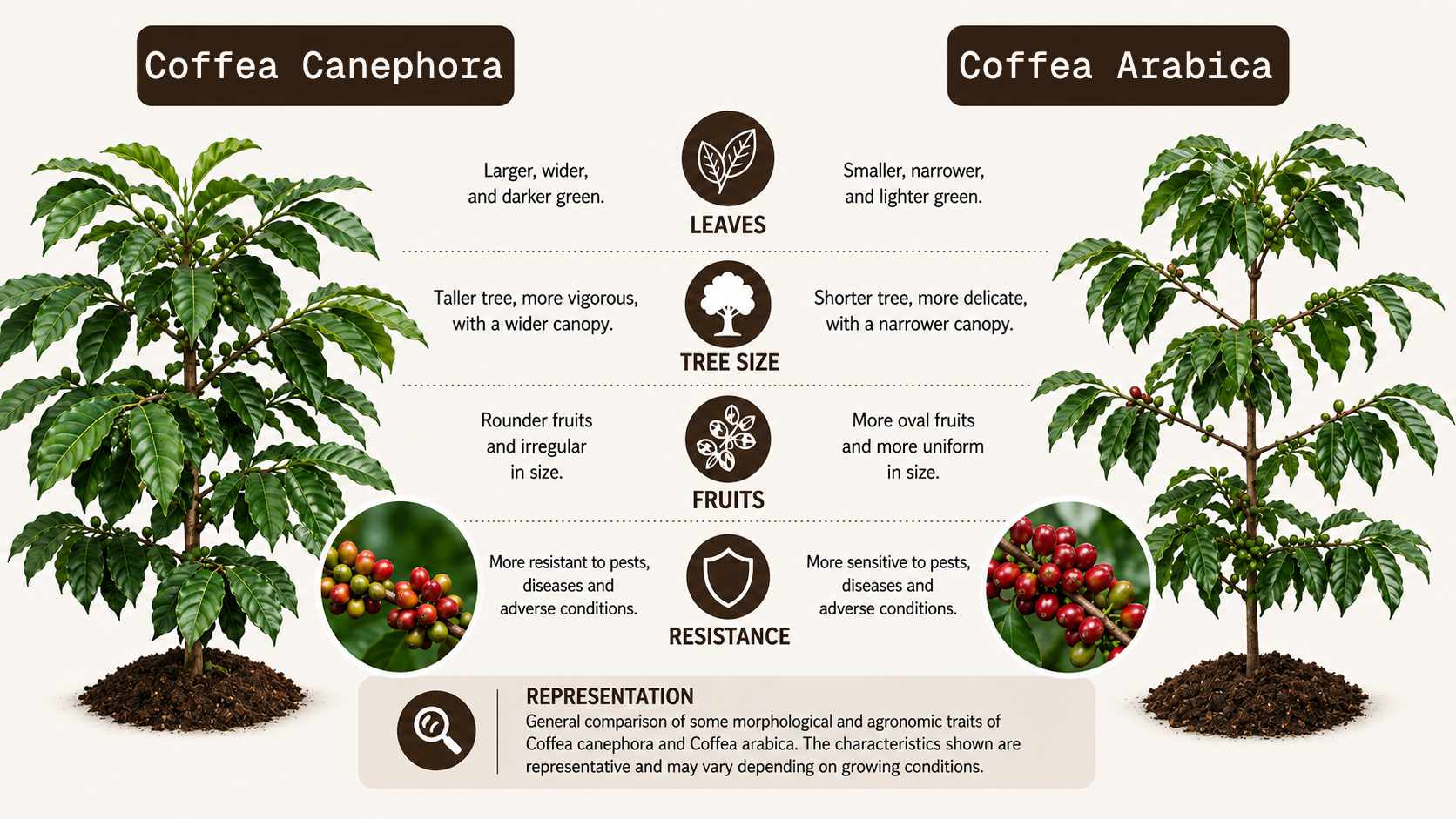
Coffea canephora and Coffea arabica: two species, two evolutionary strategies
It is common to find comparisons between Coffea arabica and Coffea canephora framed in terms of which produces better coffee. However, this approach to the two species oversimplifies a much more complex reality.
Although they share the same botanical genus (Coffea), they are different species that have evolved under distinct environmental conditions and, as a result, have developed their own biological, agronomic and physiological adaptations. Understanding these differences does not imply establishing a hierarchy between them, but rather understanding why each responds differently to the challenges of cultivation and offers different possibilities in terms of production and quality.
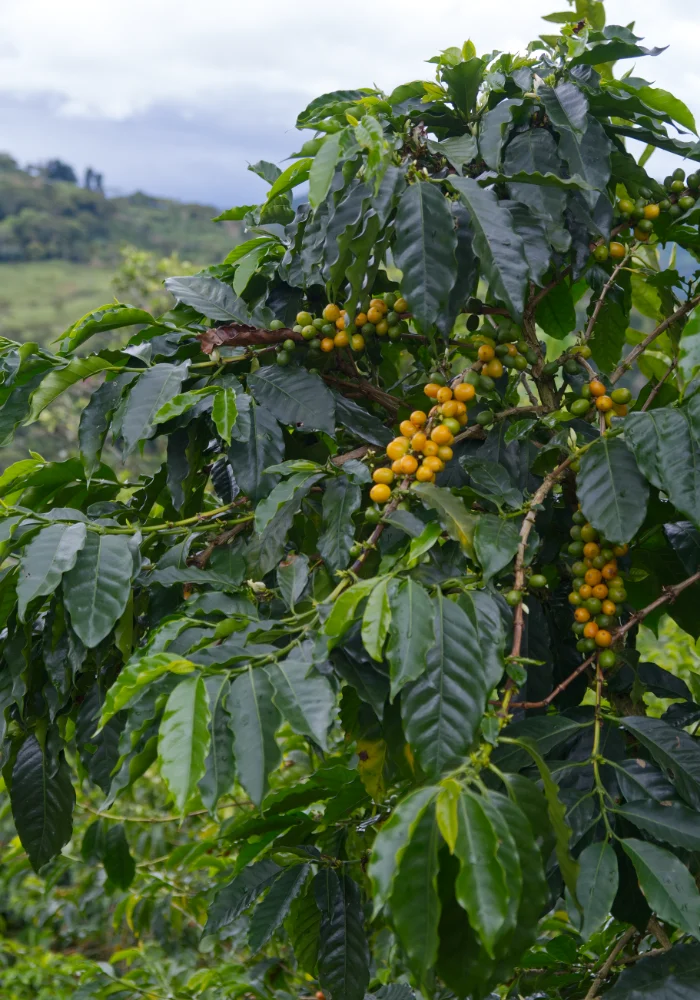
Coffea Arabica
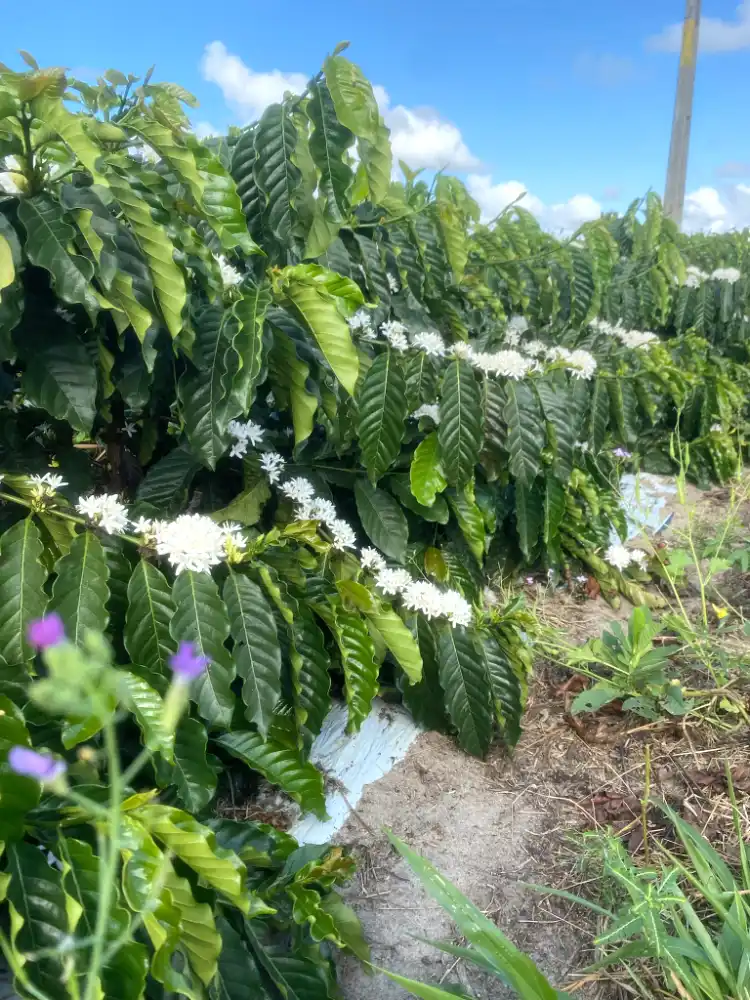
Coffea Canephora
Two species adapted to different contexts
Coffea arabica evolved in the highlands of East Africa, where temperatures are more moderate and the fruit develops relatively slowly. Coffea canephora, by contrast, evolved in the tropical rainforests of Central and West Africa, which are characterised by higher temperatures, greater humidity and a higher incidence of pests and diseases.
These environmental differences account for much of what distinguishes the two species today. Generally speaking, canephora exhibits greater heat tolerance, is better adapted to lower altitudes and is more resistant to certain diseases. Arabica, on the other hand, tends to grow in more demanding conditions and has slower ripening rates, a factor that can contribute to greater complexity in certain sensory profiles.
However, it is best to avoid generalisations. Both Coffea arabica and Coffea canephora exhibit a wide range of genetic diversity, meaning that it is possible to find varieties with very different agronomic traits and sensory characteristics within each species.
Botanical and agronomic differences
The differences between the two species are also reflected in their biology.
As explained above, Coffea canephora is a diploid and predominantly allogamous species, whilst Coffea arabica is tetraploid and, in most cases, self-fertile. These differences influence their genetic diversity, plant breeding strategies and the way in which selection programmes are carried out.
From an agronomic perspective, canephora generally exhibits more vigorous growth, higher potential productivity and a higher average caffeine concentration than arabica. This higher caffeine content also acts as a natural defence against certain pests and insects.
For its part, Coffea arabica has a different chemical composition and has traditionally been the focus of most breeding programmes aimed at sensory quality. This has helped to cement its prestige within the speciality coffee market over recent decades.
However, it is important to distinguish between the potential of a species and the breeding work carried out on it. Whilst Arabica has been the subject of programmes focused on cup quality for generations, much of the development of Coffea canephora has been primarily geared towards productivity, resistance and crop stability. This historical difference is fundamental to understanding how the two species are perceived in the market today.
General comparison between Coffea arabica and Coffea canephora
| Property | Coffea arabica | Coffea canephora |
| Ploidy level | Tetraploid | Diploid |
| Predominant reproductive system | Self-pollination | Cross-pollination (self-incompatibility) |
| Typical growing altitude | Medium-High | Low-Medium |
| Optimum temperature | Moderate | Higher |
| Genetic diversity | Lesser | Greater |
| Average caffein content | Lesser | Greater |
| Illness resistance | Generally lesser | Generally greater |
| Yield potential | Lesser | Greater |
These differences should be interpreted as general trends rather than absolute rules. The genetic diversity within both species means that exceptions can be found in virtually all these aspects.
Rather than identifying one species as superior to the other, this comparison helps us to understand that Coffea arabica and Coffea canephora represent two different evolutionary strategies. Each has developed its own characteristics to adapt to its environment, and both continue to play a fundamental role in global coffee cultivation.
It is precisely this diversity of strategies that explains why, in recent years, scientific research and the speciality coffee sector have begun to pay increasing attention to the potential of Coffea canephora. The question now is no longer whether the two species are different — something that biology clearly demonstrates — but to what extent that diversity can be translated into high-quality coffees.
Can Coffea canephora produce high-quality coffee?
Having understood the biology, history and genetic diversity of Coffea canephora, an inevitable question arises: can this species produce high-quality coffee?
This shift is also reflected in the focus of international plant breeding programmes. Whilst for decades the main objective was to maximise crop yield and resilience, today sensory quality is considered one of the key selection criteria, alongside adaptation to climate change and resistance to new diseases.
How is quality defined in coffee?
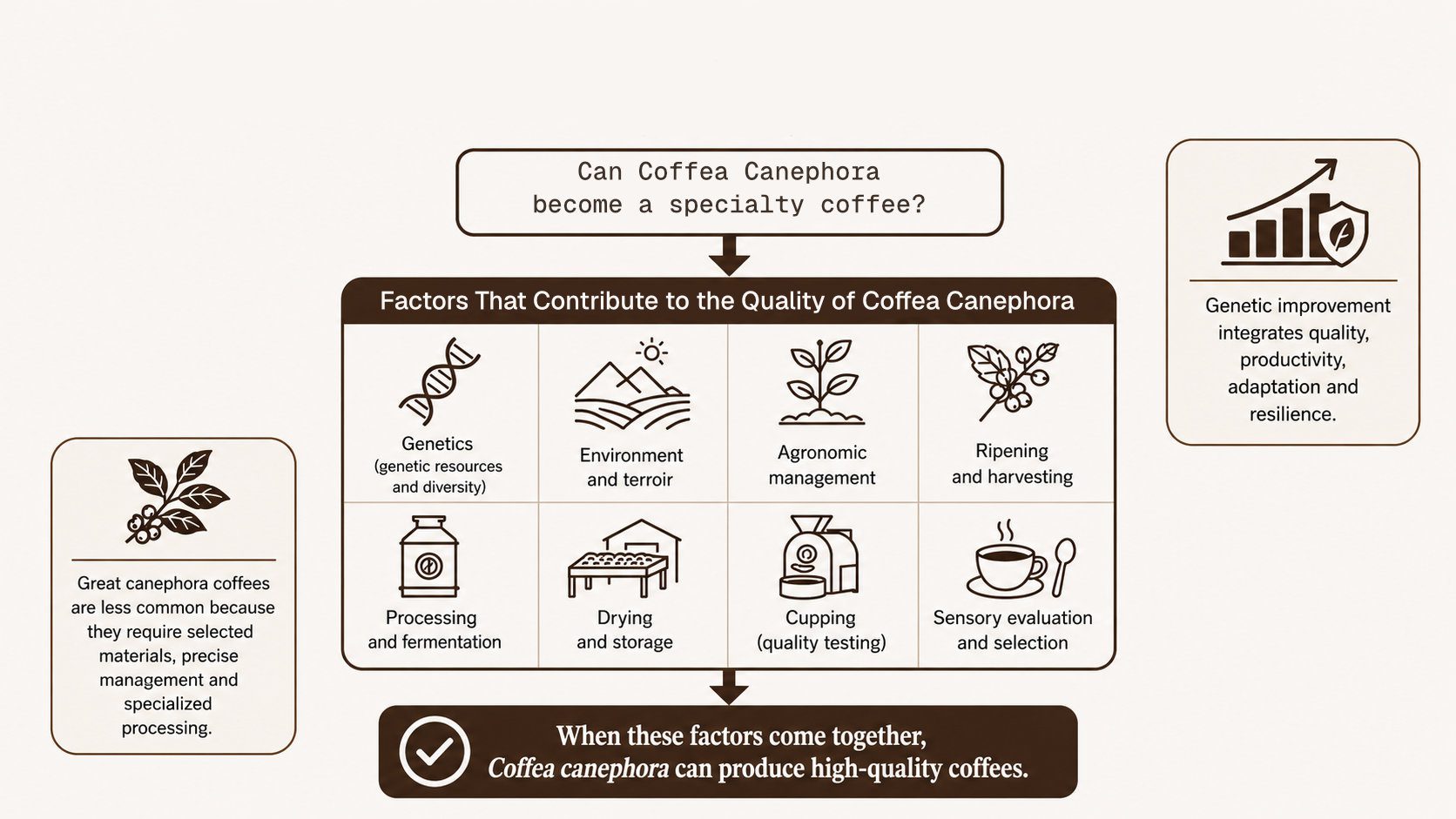
The quality of coffee does not depend solely on the species to which a plant belongs. It is now understood to be the result of the interaction between multiple factors: genetics, the growing environment, agronomic management, the degree of ripeness of the cherries, processing, drying, storage, roasting and sensory evaluation. None of these elements, on its own, determines the final quality of a coffee.
In this context, numerous research programmes consider that improving sensory quality is not an independent objective, but rather a trait that must be developed alongside productivity, agronomic adaptation and crop stability.
Why are the better Coffea canephoras still so rare?
The growing interest in Coffea canephora reflects a shift in focus. Whilst for much of the 20th century, genetic selection was primarily geared towards productivity, resistance and agronomic adaptation, today producers and researchers are also working to develop varieties capable of offering more complex sensory profiles.
This new approach has driven the selection of materials with greater qualitative potential and the application of cultivation, harvesting and processing practices specifically aimed at maximising cup quality.
However, this does not mean that the highest-quality Coffea canephora varieties are currently as abundant or as easy to produce as the best Coffea arabica varieties. The availability of genetic materials specifically selected for quality remains more limited and, furthermore, the biological characteristics of the species — such as its high genetic diversity and its predominantly allogamous reproductive system — make clonal selection, agronomic management and processing control particularly important for consistently achieving outstanding results.
Consequently, the finest coffees made from Coffea canephora are the result of highly specialised work that combines genetic improvement, agronomy and processing. Their growing presence in competitions, auctions and other specialist forums demonstrates that the species’ potential can be realised when quality becomes a top priority.
Quality as a result, not as a starting point
The scientific evidence accumulated over recent decades supports the conclusion that Coffea canephora can produce high-quality coffee when the right factors come together. The current focus is no longer simply on confirming this possibility, but on understanding which conditions enable it to be achieved consistently and reproducibly.
This shift in perspective marks a new phase for the species. Beyond its agronomic importance, Coffea canephora is beginning to play a significant role in research into the quality, genetic diversity and resilience of coffee cultivation.
Do they compete or complement each other? The role of Coffea canephora alongside Coffea arabica
For decades, the debate between Coffea arabica and Coffea canephora has been framed as if the two species were competing for the same space within the coffee market. However, advances in scientific knowledge suggest adopting a different perspective: understanding what each can contribute depending on the context.
From a chemical and sensory point of view, the two species exhibit well-known differences. Generally speaking, Coffea canephora tends to contain higher concentrations of caffeine and soluble solids, characteristics that can result in beverages with greater body, increased crema formation and persistence in espresso preparations, and high stability in certain formulations. For its part, Coffea arabica has historically been the focus of most breeding programmes aimed at sensory quality, which is why it now boasts an enormous diversity of flavour profiles that are widely recognised by the market.
These differences do not imply that one species should replace the other. On the contrary, they help us understand why both can fulfil complementary roles. Coffees made from Coffea canephora can offer profiles that are sufficiently complex to be enjoyed as single origins or incorporated into carefully designed blends to provide structure, body and specific sensory characteristics, provided that the quality of the coffee and the roasting objective justify it.
Rather than competing with one another, both species expand the possibilities for producers, roasters and consumers. Understanding their strengths and limitations is one of the keys to tackling the challenges posed by the future of coffee farming.
Coffea canephora and speciality coffee: a change that has already begun
The growing interest in Coffea canephora stems not only from a new way of interpreting the species, but also from a profound transformation in the way it is grown, processed and assessed. In recent years, producers, researchers and international organisations have begun to develop tools and methodologies specifically designed to bring out its sensory potential.
Far from being a passing trend, this change reflects the inclusion of Coffea canephora in a field of work that for decades had focused almost exclusively on Coffea arabica: the systematic pursuit of quality.
From yield to quality
One of the most significant changes has been the adoption of practices for Coffea canephora that have long been part of the speciality coffee sector.
Selective harvesting of cherries at their optimum stage of ripeness, greater precision in agronomic management and the use of high-density clonal plantations are becoming increasingly common; these practices enable the rapid propagation of genetic material previously selected for its agronomic and sensory characteristics.
These strategies do not eliminate the variability inherent to the species, but they do enable it to be reduced considerably, resulting in more uniform and consistent yields.
Innovation also takes place after the harvest
Developments are not limited to cultivation. Processing has become one of the areas with the greatest potential for modulating the sensory profile of Coffea canephora.
Alongside traditional processes, many producers are now experimenting with anaerobic fermentation, carbonic maceration, SIAF (Self-Induced Anaerobic Fermentation) systems, or the controlled inoculation of yeasts and bacteria. Various studies show that these strategies can increase aromatic complexity, improve the stability of fermentation and help to produce coffees with significantly higher sensory scores.
Regardless of the technique used, all these advances stem from the same idea: to understand and manage processing in order to more accurately express the unique characteristics of each plant material.
New tools to define a new reality
The evolution of Coffea canephora is not only transforming the way coffee is produced; it is also changing the way it is described and assessed.
For many years, most of the sensory vocabulary used to describe coffee was developed on the basis of Coffea arabica. However, the growing number of high-quality Coffea canephora varieties has highlighted the need for specific tools capable of capturing the sensory identity of this species.
One example of this is the Coffea canephora sensory wheel developed by The Coffee Sensorium, under the direction of Dr Fabiana Carvalho. Based on the evaluation of 67 samples from 13 countries by 49 professional tasters from Brazil and Switzerland, this tool organises 103 aroma and flavour descriptors into different hierarchical levels, providing a common language for describing the sensory diversity of the species.
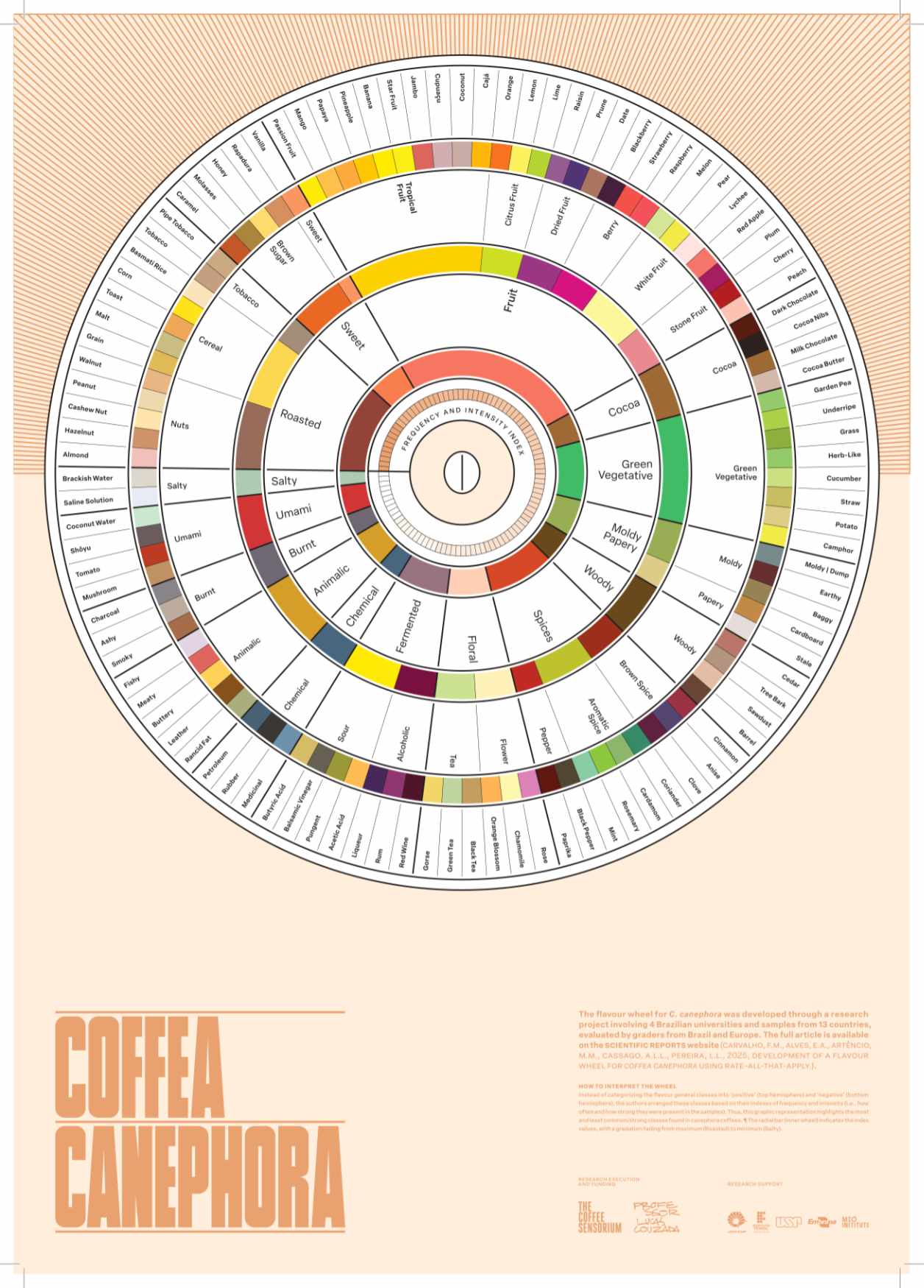
Fig. 5 – Sensory wheel for Coffea canephora. Adapted from Carvalho et al. (2025), developed by The Coffee Sensorium. Reproduced with the authors’ permission.
This study represents an important step towards the standardisation of sensory evaluation of Coffea canephora and highlights the level of maturity that research into this species is reaching.
A change that goes beyond a single species
The evolution of Coffea canephora is not merely about producing coffees with higher scores. It represents a shift in how we understand quality: a perspective in which genetics, cultivation, processing, and sensory evaluation are no longer considered separate elements but rather part of a single process.
This shift does not replace the role that Coffea arabica has historically played, but rather expands our understanding of the Coffea genus and opens up new opportunities for producers, roasters, researchers, and consumers.
Beyond Coffea canephora: A Reflection on the Future of Coffee
Throughout this guide, we have explored the history, biology, and genetic diversity of Coffea canephora. We have also seen how the agronomic and industrial priorities of the past century shaped the way this species was cultivated and, consequently, the perception the market developed of it.
Today, we have a much broader understanding. Scientific research, genetic improvement, innovations in cultivation, and advances in sensory evaluation are allowing us to understand Coffea canephora from a perspective very different from the one that prevailed for much of its history. Rather than discovering a new species, we are learning to see a species that has always been there with fresh eyes.
However, perhaps the most important lesson from Coffea canephora goes beyond the species itself.
Its history shows that a crop’s reputation depends not only on its biology, but also on the decisions we make about what to research, what to select, what to produce, and what to value. For decades, we prioritized yield, adaptability, and productivity; today, we also incorporate sensory quality, genetic diversity, and resilience as fundamental objectives. The species has not changed. What has changed is our understanding of it.
The future of coffee farming will likely not depend on a single species or a single solution. All signs point to the need to combine scientific research, biodiversity conservation, genetic improvement, agronomic innovation, and an ever-deeper understanding of the different species that make up the Coffea genus.
In this context, Coffea canephora is no longer merely a species associated with a specific market segment but has become a key component within a broader vision of coffee. Understanding its history, biology, and potential does not mean predicting the future, but it does provide us with better tools to shape it.
Perhaps that is, in fact, the true purpose of this guide.
It does not aim to convince the reader that one species is superior to another, nor does it seek to replace decades of accumulated knowledge about Coffea arabica. Rather, it aims to provide the context necessary to understand that coffee is far more diverse than we typically imagine, and that understanding that diversity is one of the best tools for addressing the challenges of coffee farming in the future.
Perhaps the greatest value of Coffea canephora is not that it answers all the questions about the future of coffee, but in helping us formulate them more precisely.
Bibliography
Scientific research
- Lashermes, P. et al. — Studies on the genetics, reproductive biology, and genetic diversity of Coffea canephora.
- Davis, A. P. et al. — Taxonomy, systematics, and diversity of the genus Coffea.
- Cubry, P. et al. — Genetic diversity and domestication of Coffea canephora.
- Bunn, C. et al. — Climate change and adaptation of coffee species.
- Bertrand, B. et al. — Genetic improvement and quality in coffee.
- Kawuki, R. et al. (2025). A Century of Coffea canephora Breeding: Achievements, Lessons, and Future Opportunities. Frontiers in Plant Science.
- Carvalho, F. et al. (2025). Development of an Aroma/Flavor Wheel for Coffea canephora. Scientific Reports (Nature).
Organizations and Technical Resources
- World Coffee Research (WCR).
- Coffee Quality Institute (CQI).
- Specialty Coffee Association (SCA).
- International Coffee Organization (ICO).
- Royal Botanic Gardens, Kew – Plants of the World Online.
- World Flora Online.
Key Works
- Wintgens, J. N. (Ed.). Coffee: Growing, Processing, Sustainable Production.
- Ukers, W. H. All About Coffee.
- Incaper. Conilon Coffee (A comprehensive reference work on genetics, plant breeding, production, and quality of the Conilon genetic group).
Supplementary Resources
The resources developed by XORXIOS® are designed to facilitate understanding of the concepts covered in this guide through visual materials and supplementary technical documentation.
These include:
- Infographics on the botanical classification of the Coffea genus.
- Explanatory diagrams of the genetics and reproduction of Coffea canephora.
- Timelines on the history of the species and its genetic improvement.
- Resources on sensory evaluation and cup quality.
- Technical documentation and reference materials for coffee professionals.
- Photographs by BMP Group XORXIOS®
Editor’s Note
This guide was developed by the XORXIOS® team based on a review of scientific literature, technical publications, and specialized resources on Coffea canephora. Its goal is to make scientific knowledge accessible to coffee professionals and enthusiasts through informative, up-to-date content supported by bibliographic references.