
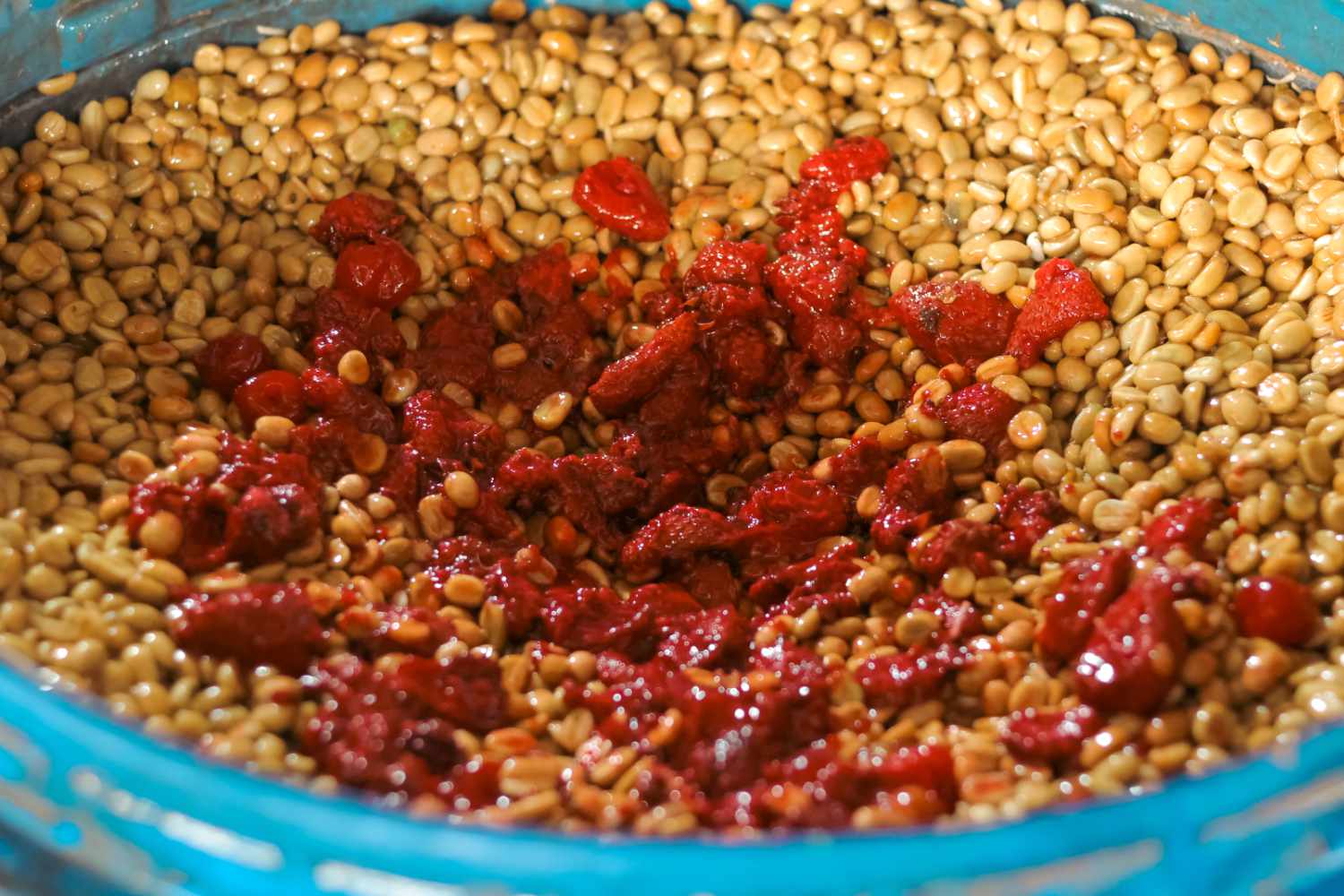
C offee processing is one of the most important stages in the production of green coffee. Once the coffee cherries are harvested, the way in which the pulp, mucilage, and moisture are removed influences the coffee’s behavior during roasting and largely determines its sensory profile in the cup.
For decades, traditional processing methods have produced consistent, high-quality coffees. However, the evolution of specialty coffee has driven the development of new fermentation techniques that aim to expand sensory possibilities and add greater value to the product.
Today, producers in many countries are experimenting with different processes to differentiate their coffees and meet a growing demand for more complex and unique profiles.
¿What is coffee processing?
Coffee processing encompasses all the operations that take place after the coffee cherries are harvested and before the green coffee is ready for export.
Its main objective is to remove the various layers surrounding the bean, control fermentation, and reduce moisture content to levels suitable for storage and transport.
Every decision made during this stage directly influences factors such as the coffee’s clarity, body, acidity, sweetness, and stability during storage. For this reason, processing has become an important differentiator for producers, importers, and roasters.
The Quality of Green Coffee: The foundation of good processing
The quality of green coffee is the basis for producing excellent coffee. Although processing and fermentation can significantly alter the sensory profile, they cannot replace a healthy, well-harvested raw material. For this reason, the harvesting of ripe cherries, post-harvest handling, uniform drying, and the absence of physical and sensory defects remain the foundation of quality. In this context, experimental processes should not be viewed as a way to mask defects, but rather as a tool to express and enhance the potential of already well-selected coffees, adding complexity and distinctiveness when the process is well controlled.
Traditional coffee processing methods
Traditional processing methods remain the foundation of global specialty coffee production thanks to their ability to deliver consistent and repeatable results.
Washed process
In the washed process, the cherries are pulped shortly after harvesting, and the mucilage is removed through fermentation in water prior to drying.
This method typically produces clean, well-defined coffees with high sensory clarity, allowing the characteristics specific to the origin and variety to be clearly expressed.
Honey process
The honey process removes the cherry skin but retains some of the mucilage during drying.
It falls between the washed and natural processes, offering a balance between cleanliness, sweetness, and body. Depending on the amount of mucilage retained and the drying conditions, different variations can be obtained.
Natural process
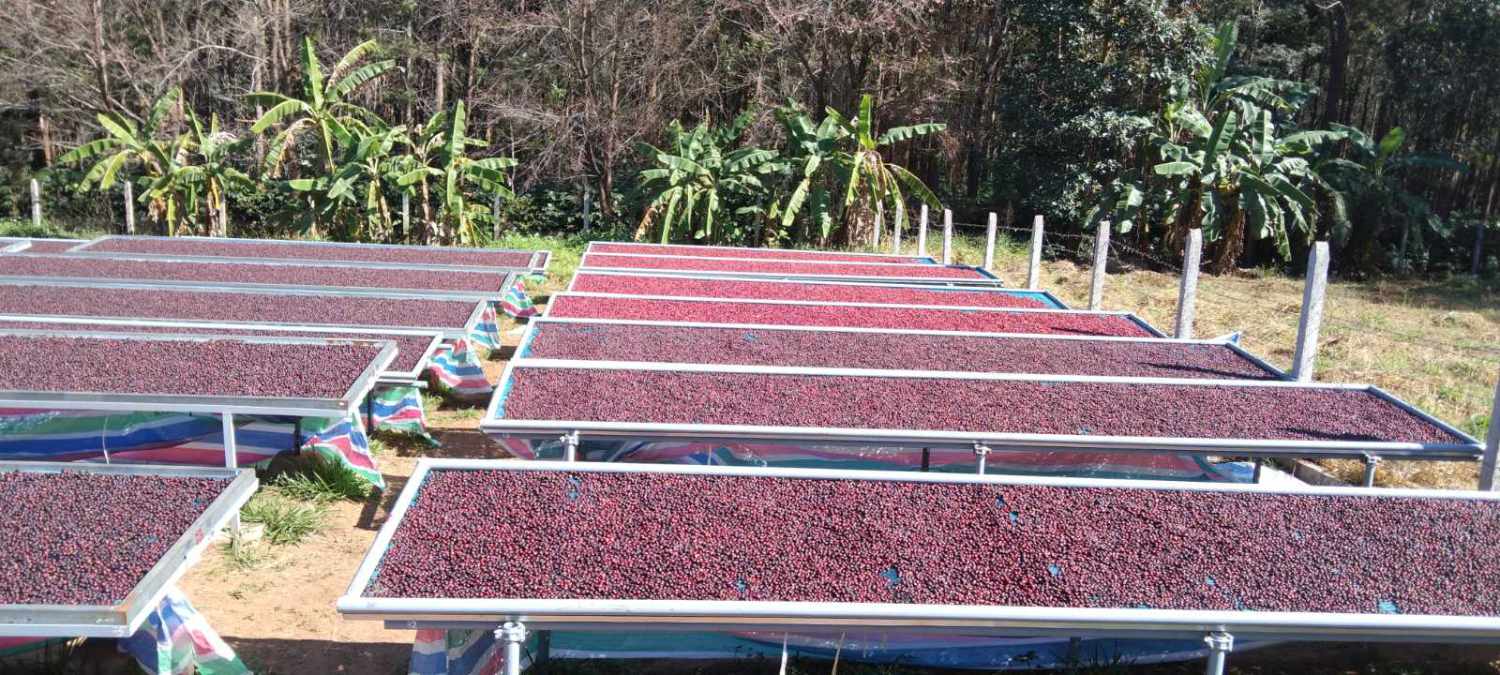
In the natural process, the whole cherry is sun-dried before the pulp is removed.
The prolonged contact between the seed and the fruit promotes a greater transfer of sugars and aromatic compounds, generally resulting in coffees with more body, greater sweetness, and a more pronounced fruitiness.
Experimental coffee processes
The evolution of specialty coffee has driven the development of experimental processes that modify or control fermentation to produce distinct sensory profiles.
Although there is no fully standardized classification, these techniques share a high degree of control over variables such as time, temperature, oxygen, pH, and the microorganisms present during fermentation.
Anaerobic fermentation
Anaerobic fermentation takes place in airtight tanks where there is virtually no oxygen.
This environment promotes controlled fermentation, which can result in greater complexity, body, and a more structured acidity. It can be applied to whole cherries as well as to pulped or honey-processed coffees.
Carbonic maceration
Inspired by the wine industry, carbonic maceration involves introducing carbon dioxide into sealed tanks where whole cherries ferment.
The result is typically a very expressive profile, with intense aromas and high complexity.
Fermentation using microorganisms
Some producers use selected yeasts, lactic bacteria or other specific microorganisms to control fermentation.
This approach improves the reproducibility of the process and allows for the development of well-defined sensory profiles with greater consistency across different batches.
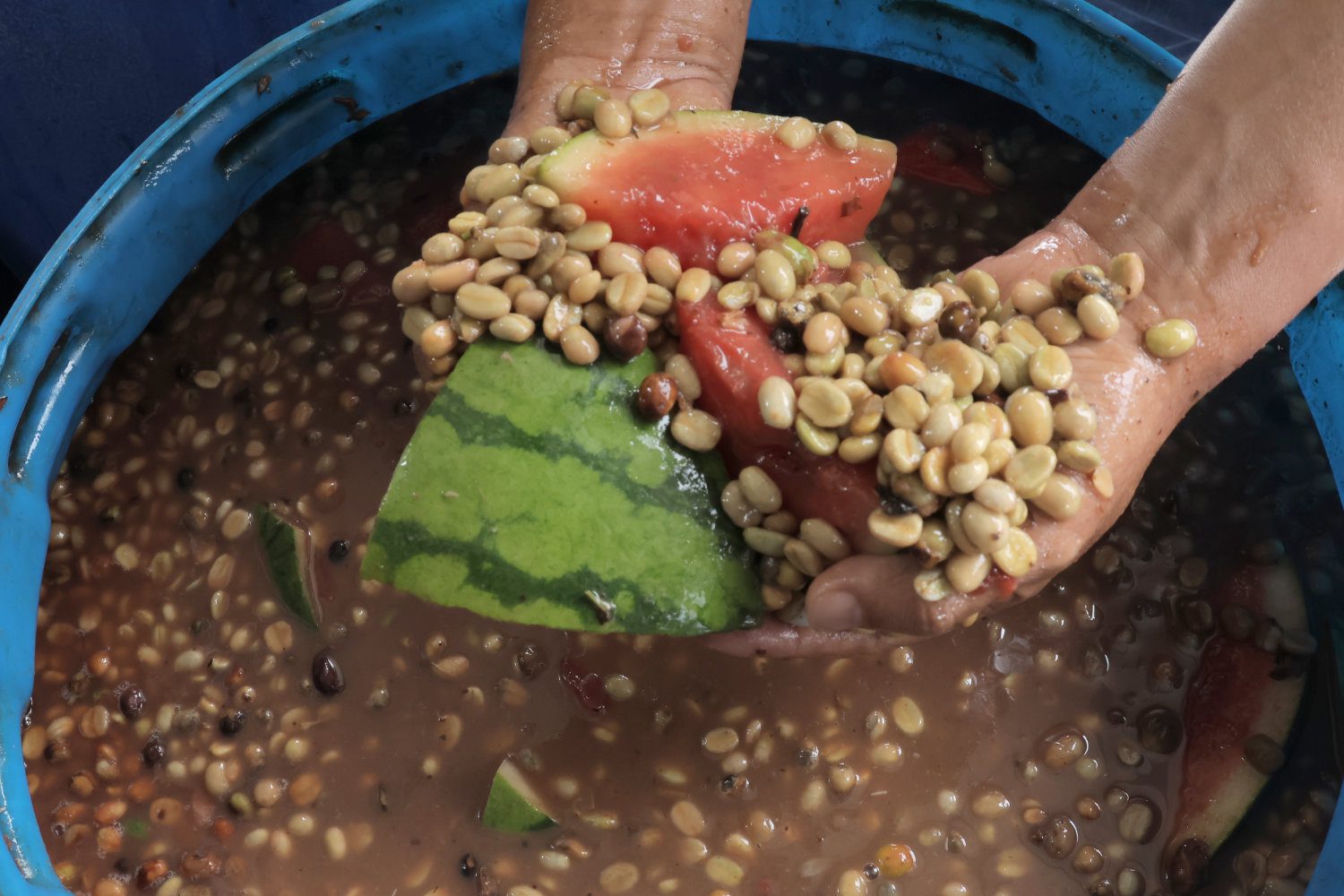
Cofermentation
Co-fermentation involves adding external ingredients—such as fruits, spices, or musts—during fermentation.
The goal is to enhance or modify the coffee’s sensory properties, resulting in highly distinctive profiles. Although it is widely accepted commercially, some specialty coffee competitions do not consider this method to be an exclusively coffee-based processing technique because it involves raw materials other than coffee.
Where are experimental processes used?
Experimental processes have become particularly important in coffee-growing regions with a strong focus on specialty coffee.
Colombia has become one of the international leaders thanks to the development of controlled fermentations in regions such as Huila, Tolima, and Nariño.
Costa Rica stands out for its use of selected yeasts and different fermentation methods.
Panama continues to innovate, particularly with Geisha coffees, through anaerobic fermentation and carbonic maceration.
Brazil, Ethiopia, Guatemala, Honduras, Nicaragua, El Salvador, and Peru are also increasingly adopting these techniques as a means of differentiating their micro-lots.
What do experimental processes bring to specialty coffee?
Experimental processes significantly expand the range of profiles available to roasters and consumers.
From a commercial standpoint, they offer new opportunities to develop distinctive micro-lots and generate greater added value at the source.
However, their application requires in-depth technical knowledge. Inadequate control of variables such as temperature, fermentation time, pH, or water activity can lead to sensory defects, microbiological problems, or reduced coffee stability during storage.
For this reason, these techniques require rigorous protocols and constant monitoring throughout the entire process.
Innovation and control: the future of coffee processing
Experimental processes are not intended to replace traditional methods, but rather to expand the possibilities of specialty coffee.
While classic processes remain the benchmark due to their stability and ability to express the origin, new fermentation methods allow for the exploration of unprecedented sensory profiles and help meet a growing demand for distinctive coffees.
Their success will depend on the industry’s ability to combine innovation, research, and standardization. Only through precise control of each stage will it be possible to ensure that these processes add value for the producer, provide security for the importer, and guarantee consistency for the roaster, thereby establishing themselves as a tool for evolution across the entire green coffee supply chain.

'/%3E%3C/svg%3E)
'/%3E%3Cpath%20fill='%23b2b2b2'%20d='M241%20382q0%2016%2017%2026%2017%2011%2042%2011t42-11q16-11%2017-26V269H241'/%3E%3Cpath%20fill='%239f7e00'%20d='M241%20379q0%2014%208%2023%209%209%2021%209%2014%200%2021-9%209-9%209-23V269h-59'/%3E%3Cpath%20d='M241%20339v-70h59v110q0%2014-9%2023l-6%205v-68h-15v72q-8%200-14-4v-68zm59%2040c0%2022%2015%2032%2029%2032%2021%200%2030-18%2030-32v-40h-59'/%3E%3Cpath%20fill='%239f7e00'%20d='M266%20277v5h2v12h-3v-5h2v-5h-9v5h2v5h-4v9h3v18h-5v10h34v-10h-5v-18h3v-9h-4v-5h2v-5h-9v5h2v5h-3v-12h2v-5zm42%20101q0%2010%206%2017%206%206%2015%207%2010-1%2016-7%206-7%206-17v-29h-43'/%3E%3Ccircle%20fill='%230044ad'%20cx='329.5'%20cy='372'%20r='6'/%3E%3Cellipse%20fill='%230044ad'%20cx='300'%20cy='340'%20rx='16'%20ry='21'/%3E%3C/svg%3E)